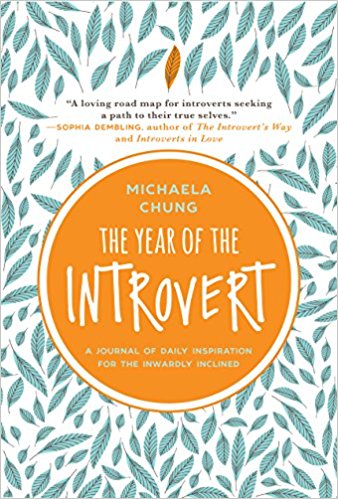

For many introverts, one of the best things about technology is how many small, unnecessary interactions it eliminates. We can order groceries without navigating a crowded store, book an appointment without making a phone call, and take care of everyday financial tasks without standing in line at a bank.
Digital banking can make managing money feel simpler and less draining. With online banking and mobile banking tools, you can check balances, transfer money, pay bills, and review transactions privately and at your own pace.
It’s not about avoiding people altogether. It’s about saving your social energy for interactions that actually matter.
Why Digital Banking Can Be Especially Useful for Introverts
Traditional banking can involve more friction than the actual task requires. You might have to travel to a branch, wait in line, explain what you need, make small talk, and possibly wait again.
None of these things is necessarily difficult on its own. But on an already busy or socially demanding day, another errand can feel like one interaction too many.
Digital banking brings many routine financial tasks into one place, usually through a secure website or mobile app. Instead of waiting for a branch visit or searching through paper records, you can check balances, move money, review payments, and manage account activity when it’s convenient for you.
There’s also a psychological benefit to having information readily available. If you’re prone to overthinking, uncertainty about money can quickly turn into a mental loop. Being able to check whether a payment went through or see exactly how much you have available can eliminate some of that uncertainty.
Everyday Banking Without the Extra Social Energy
Most of us don’t want banking to consume more attention than necessary. We want to know our bills are paid, deposits arrived, and spending hasn’t gotten away from us.
Digital banking makes those little check-ins easier.
You can review recent transactions to catch duplicate charges, confirm subscription payments, or figure out where your money went during a particularly busy week. You can move money between accounts, pay bills online, and find statements without digging through piles of paperwork.
For introverts, there’s another advantage: you can do all of this during a quiet moment at home.
You don’t have to schedule your day around banking hours or muster the energy for another errand. Five minutes on your laptop while drinking your morning coffee may accomplish what once required an entire trip.
Mobile Banking Lets You Deal With Things Before You Overthink Them
Introverts tend to spend a lot of time in our heads. That can be an advantage when we’re making thoughtful decisions, but sometimes a tiny unfinished task occupies far more mental space than it deserves.
Did that payment go through?
How much is left in my account?
Did I remember to pay that bill?
Mobile banking can answer those questions quickly.
If you remember a bill while waiting for an appointment or want to confirm a payment before making a purchase, you can often deal with it immediately instead of adding it to your mental to-do list.
The trick is not to turn easy access into constant checking.
Choose a rhythm that works for you. You might check your accounts once every morning, once a week, or at another regular interval. Alerts for deposits, payments, low balances, or unusual transactions can also keep you informed without requiring you to repeatedly open the app.
Online Banking Can Be Your Quiet Financial Home Base
Mobile banking is convenient for quick tasks, but a laptop or desktop can be better when you want to sit down and look at the bigger picture.
This is where an introvert’s love of quiet focus can actually be an advantage.
Set aside a little uninterrupted time to review recurring expenses, upcoming bills, subscriptions, and savings. A larger screen can make it easier to compare transactions, download statements, and notice patterns that aren’t obvious when you’re quickly checking your phone.
For example, you might notice that takeout spending has crept up, a subscription you forgot about is still renewing, or your account tends to get tight at the same point every month.
You don’t need an elaborate spreadsheet or a three-hour budgeting session. Sometimes simply looking at your financial life without distractions is enough to make better decisions.
Digital Banking Can Reduce Financial Overwhelm
Money can become especially stressful when you avoid looking at it.
If you’ve ever left a bill unopened because you didn’t want to know what it said, you probably understand how quickly avoidance can increase anxiety.
Digital tools can make financial management feel more manageable by breaking it into small tasks.
Instead of declaring, “Today I will organize my entire financial life,” you can check your transactions. Tomorrow, you might review your subscriptions. On payday, you can transfer a set amount into savings.
Depending on what your bank offers, you may also be able to nickname accounts, create savings goals, automate transfers, and schedule payments.
If you need everyday card access, you can usually apply for a debit card through your bank’s app or website and follow the prompts to confirm your mailing details.
The goal isn’t to obsess over every dollar. It’s to create enough structure that your finances stop taking up so much mental space.
Create a Low-Stress Money Routine
One of the easiest ways to reduce financial overwhelm is to stop making the same decisions over and over again.
Create a simple routine instead.
At the beginning of each week, take a few minutes to look at upcoming payments. After payday, transfer money into savings. Once a month, scan your transactions for subscriptions or recurring charges you no longer use.
You can also use alerts as guardrails. A notification that a deposit arrived or a balance dropped below a certain amount gives you useful information without requiring constant monitoring.
For introverts who already have a lot happening internally, reducing this kind of mental clutter can be surprisingly freeing.
Protect Your Money Without Becoming Paranoid
The convenience of digital banking also means developing a few good security habits.
Use a unique password for your bank and enable multi-factor authentication if it’s available. Keep your phone and computer locked, update your banking app and device software, and avoid accessing sensitive accounts over unsecured public Wi-Fi.
Be especially wary of messages designed to create panic.
Scammers often want you to feel that something terrible will happen if you don’t click a link immediately. That sense of urgency is exactly when slowing down can help.
Instead of clicking a link in an unexpected text or email, open your bank’s official app or website yourself. If something still seems wrong, contact your bank using its official contact information.
Your tendency to pause and think before reacting can be an asset here.
Enjoy the Quiet Convenience
One online bill payment might only save you a few minutes. One mobile deposit might save you a short trip.
Over weeks and months, though, those little conveniences add up.
Think about how many small interruptions used to come with managing money: finding a branch, waiting in line, mailing a payment, searching through statements, or calling someone just to answer a straightforward question.
Digital banking removes many of those friction points.
That doesn’t mean you’ll never need to speak with another human about your finances. Complicated problems sometimes require actual conversation, and good customer service still matters.
But routine tasks don’t necessarily need to become social tasks.
Find a Banking Routine That Fits Your Personality
There is no perfect schedule for managing money.
Some people feel calmer checking their balance every morning. Others would find that stressful and prefer a weekly review. You might use your phone for quick checks and transfers but prefer your computer when you’re reviewing bills or planning your budget.
The best system is the one you’ll actually maintain.
If you’re an introvert who tends to become overwhelmed by life admin, start small. Choose one or two habits that make your financial life easier rather than creating an elaborate system you’ll abandon after two weeks.
A weekly financial check-in, automatic savings transfer, and a few carefully chosen alerts may be enough.
Make Money Management Take Up Less of Your Life
Digital banking isn’t about turning every aspect of your life into an app. It’s about removing unnecessary friction from financial tasks you already have to do.
For introverts, that can mean fewer errands, fewer phone calls, less small talk, and more control over when and how you deal with your money.
It can also make it easier to stay organized and keep fulfilling your goals without allowing financial admin to consume your energy.
Start with the basics. Check your balances, review your transactions, set up useful alerts, and learn where your statements and payment tools are located. Then build a routine around the way you naturally operate.
After all, the best financial system isn’t necessarily the most complicated one. It’s the one that quietly works in the background so you have more time and energy for the things you actually care about.