For introverts, alone time is not just rest. It is essential recovery. Unlike extroverted social energy, introverts tend to absorb more from their environment, including conversations, noise, light, and digital stimulation. Over time, this continuous input can gradually drain mental energy.
Because of this, the effectiveness of rest is not determined by how long it lasts, but by how restorative the environment actually is. In many cases, even when introverts have time alone, they may still feel mentally “unrested,” which is often linked to one underlying issue: sensory overload.
Sensory Overload in Introverts
Sensory overload occurs when the brain receives more external stimuli than it can comfortably process. When this happens repeatedly, the nervous system may struggle to fully return to a relaxed state, making recovery more difficult even during rest.
Common sources of sensory overload include:
- Bright or harsh lighting that increases visual strain
- Background noise or constant environmental stimulation
- Frequent social interaction without sufficient downtime
- Prolonged screen exposure and digital input
Effects on the body and mind:
- The nervous system remains in a heightened alert state
- Mental fatigue accumulates more quickly
- Relaxation becomes harder to achieve even in quiet settings
How recovery can be supported:
Red light and gentle heat may help reduce sensory load and support the body’s natural relaxation response. By lowering external stimulation, they encourage a shift toward a calmer parasympathetic state, which is associated with rest and recovery.
In simple terms, when external stimulation is reduced, the nervous system can more easily transition from a high-alert state into a restorative mode, allowing the body to regain balance more efficiently.
Why Light and Heat Work for Introverts
Introverts are generally more sensitive to environmental input, which means they benefit more from low-stimulation conditions. Instead of complex or intense sensory experiences, they tend to relax more effectively in environments that are stable, predictable, and gentle on the senses.
Light and heat work by reducing unnecessary sensory load while providing a consistent and calming background experience. This helps the mind gradually shift away from external processing and into a more inward-focused recovery state.
In addition, these kinds of sensory conditions can help reduce the effort of filtering that the brain normally performs in busy environments. When fewer irrelevant signals compete for attention, mental energy is no longer spent on adjustment. This creates more room for cognitive rest, allowing relaxation to happen in a more natural and uninterrupted way.
Benefits of Red Light Therapy
Red light therapy provides a low-stimulation visual environment that helps reduce mental and visual fatigue. It is widely used to support relaxation and recovery, especially after prolonged screen exposure.
Key benefits include:
- Reduced visual strain compared to blue or white light
- Lower neurological stimulation, supporting a calmer mental state
- A natural alignment with evening light patterns that signal the body to slow down
- Support for winding down before sleep or after long digital exposure
Because of these effects, it is often used to create a calming atmosphere that encourages relaxation and mental decompression.
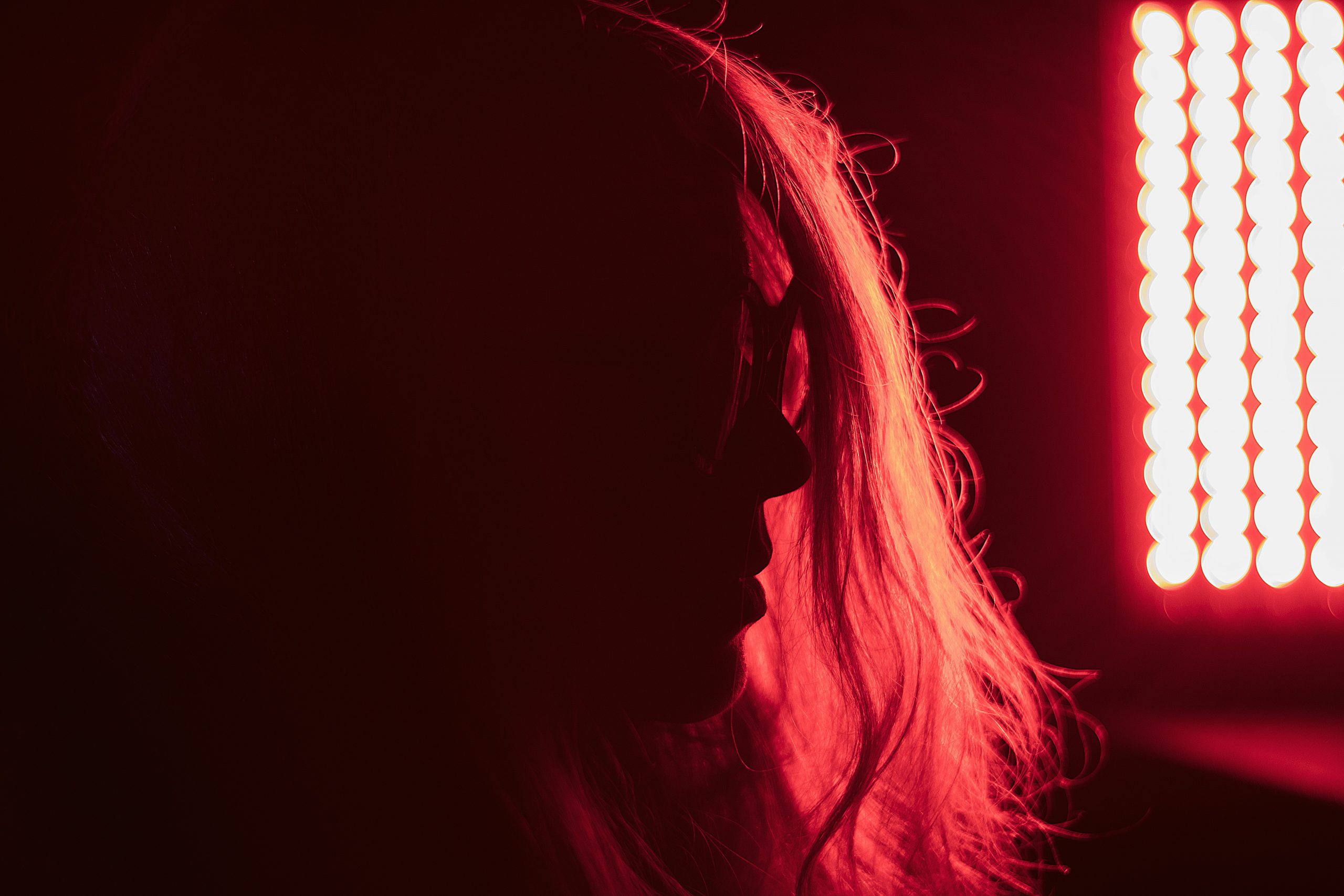
Red light therapy can help create a low-stimulation lighting environment designed for rest and recovery.
Benefits of Gentle Heat Therapy
Gentle heat therapy provides a steady warming environment that helps the body relax without overwhelming the senses. Compared with intense heat sources, mild warmth can support both physical comfort and emotional calm.
Key benefits include:
- Relaxing muscles and easing tension
- Promoting a sense of calm and comfort
- Providing a low-stimulation recovery experience
One common form of gentle heat therapy is infrared sauna, which uses far infrared (FIR) heat to warm the body gradually. Compared with traditional high-temperature saunas, it often feels more comfortable and easier to tolerate. At home, tools like the saunny infrared sauna blanket can offer a convenient way to experience this type of gentle heat in a quiet, low-stimulation environment.
Combined Effects of Red Light and Heat
When red light and gentle heat are used together, they create a highly effective low-stimulation recovery environment. Light reduces visual stress, while heat provides bodily comfort and safety.
For introverts, this combination is particularly powerful because it minimizes sensory overload while reinforcing a stable, predictable environment. This allows the nervous system to shift more naturally into a restorative state, supporting faster emotional and physical recovery.
Creating a Low-Stimulation Home Space
Building a recovery-friendly environment at home does not require complexity. The key is to reduce overstimulation and increase comfort. This can be achieved through soft lighting, gentle heat sources, and a quiet, distraction-free space. Hanging a piece of nature art painting on the wall adds a calming visual anchor that draws the eye without overwhelming the senses.
When these elements are combined, the home becomes more than a living space—it becomes a recovery zone where the nervous system can reset naturally. For introverts, this kind of environment helps make alone time truly restorative rather than simply passive.
Conclusion
For introverts, meaningful recovery comes from environments that reduce sensory load and support calm internal states. Red light and gentle heat offer simple yet effective tools for achieving this balance.
Intentionally designing low-stimulation recovery spaces can transform alone time into genuine restoration, allowing both mind and body to fully recharge. In such environments, rest is no longer just a pause from activity, but a deeper return to balance and mental clarity.