
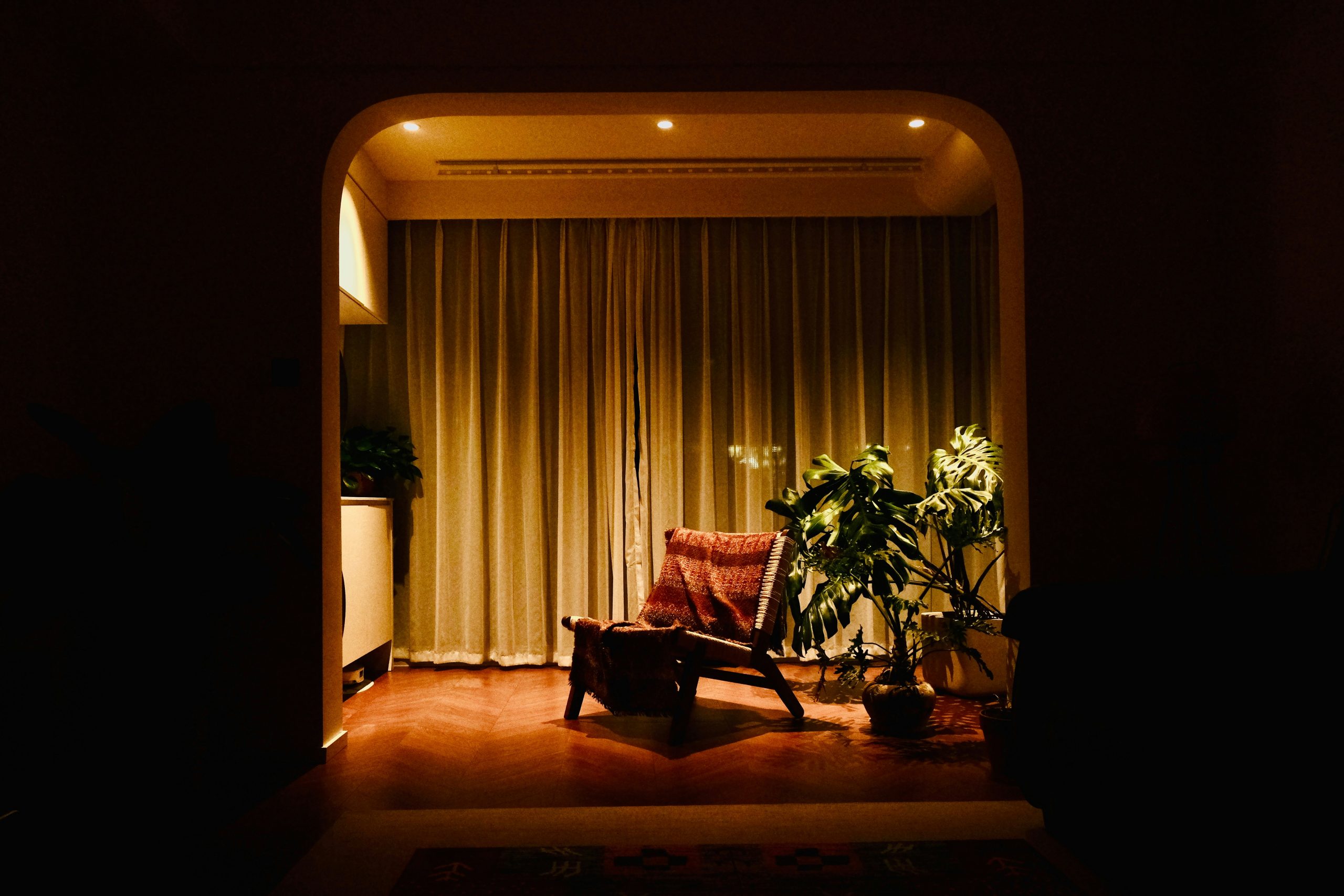
A peaceful home is more than a beautifully decorated one. It is a place where the mind relaxes, the body unwinds, and the pace of life slows just enough for calm to settle in.
Designing a space that feels genuinely peaceful is a journey worth taking, and you do not need to be a professional designer to begin. With thoughtful decisions, gentle touches, and a clear intention, anyone can create a home that feels restorative from the moment you step through the door.
Here is your simple and inspiring step-by-step guide to creating living spaces that soothe, uplift, and support a sense of everyday peace.
Step 1: Start by Clearing Visual Clutter
Clutter can overwhelm the senses, making it harder for your mind to switch off. Begin by keeping only what you love or use regularly in each room. Store smaller items away, keep surfaces open, and leave space for your eyes to rest.
When a room feels lighter, calmer energy naturally follows. This is the foundation of every peaceful home.
Step 2: Choose a Color Palette That Creates Harmony
Color strongly shapes mood. Calming tones such as soft greens, warm neutrals, gentle blues, and muted earth shades help establish a soothing backdrop. These colors reflect light, create a sense of balance, and bring a quiet elegance into any living space. Your furniture should complement your chosen palette, too. If you’re updating your living room, browse Soulfa sectionals for versatile designs in timeless, neutral tones that help create a relaxed and inviting atmosphere.
Keep your palette consistent throughout your home to maintain a steady flow of calm from room to room.
Step 3: Invite Natural Light to Take Centre Stage
Natural light is one of the most powerful tools for creating peace. It brightens rooms, influences wellbeing, and instantly opens a space.
Look for ways to maximize daylight by rearranging furniture, choosing lighter curtains, or exploring modern solutions such as high-quality glazing from places like nowaluminium.co.uk.
When sunlight can move freely and gently throughout your home, it lifts every mood and every moment.
Step 4: Layer Textures for Comfort and Warmth
Peace is often found in the smallest details. Soft textures such as wool throws, cotton cushions, woven baskets, and natural rugs add warmth without overwhelming a room. These elements encourage comfort, bringing a tactile sense of safety and softness.
The goal is to create spaces that make you want to slow down, breathe deeply, and settle in.
Step 5: Create Areas for Rest and Reflection
Every peaceful home benefits from dedicated zones for relaxation. This might be a cozy reading corner, a quiet spot by a window, or a small area for meditation or journalling. Keep these spaces simple, uncluttered, and personal. Add a soft chair, a warm lamp, and items that make you feel grounded. When you carve out space for rest, you give yourself permission to use it.
Step 6: Bring Nature Indoors
Plants have a profound effect on the atmosphere. They purify the air, soften a room visually, and introduce natural movement as leaves shift gently with the air. Even a few well-placed plants can transform a space into something more alive and peaceful.
Choose low-maintenance varieties if you are new to indoor gardening so the experience remains stress-free.
Step 7: Use Thoughtful Lighting for Evening Calm
Even the most peaceful room can feel harsh with the wrong lighting. Swap bright overhead bulbs for layered, softer lighting using lamps, warm-toned bulbs, and subtle accent lights. This helps your home transition smoothly from day to night, supporting relaxation and easing the mind into a calmer state long before bedtime.
Step 8: Add Personal Touches That Bring Joy
Peace is not only found in stillness. It also comes from feeling connected to your surroundings. Add personal pieces that bring you comfort and happiness, such as meaningful art, treasured books, or handmade objects.
Avoid overcrowding your space, but allow these items to quietly tell the story of your life. When chosen with intention, they enhance calm rather than disrupt it.
Bringing It All Together
Creating peaceful living spaces is not about perfection. It is about designing a home that supports your wellbeing, invites calm, and reflects what truly matters to you. By following these simple steps, you can shape rooms that feel open, warm, and deeply restorative.
Little by little, change by change, your home becomes a place where peace is not just possible but ever-present.