
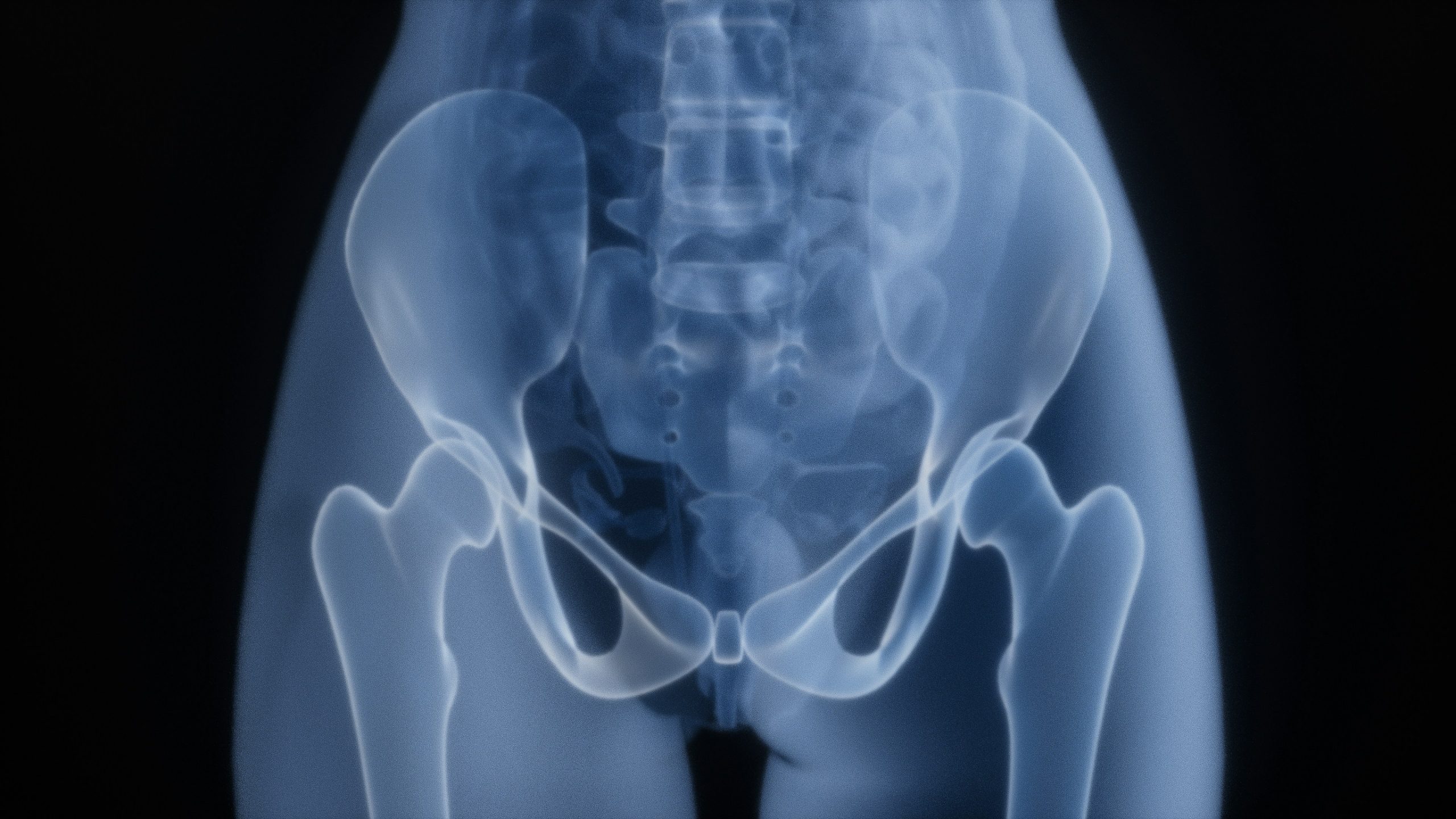
Preparing for a major procedure can feel overwhelming, especially when you prefer peace, quiet, and personal space. Getting a new joint is a major physical event, but managing your mental energy during recovery is just as meaningful.
Introverts recharge by spending time alone in calm surroundings. Returning home after surgery means dealing with medical checks, family support, and physical care, which can drain your emotional battery quickly. Planning your home setup and social limits ahead of time makes the process much smoother.
Designing Your Private Healing Sanctuary
Setting up a dedicated space before surgery helps you avoid stress when you get home. Pick a quiet room with good lighting and easy access to a bathroom.
If possible, get a good chair—one that is firm and has a higher-than-average seat. Standard low couches make standing up difficult and painful after surgery. Adding firm pillows and keeping your essential items on a high side table prevents unnecessary bending.
Having your favorite books, headphones, and comfortable bedding ready creates a cozy retreat. This setup allows you to rest deeply without feeling forced to interact with the rest of the household.
Communicating Expectations with Loved Ones
Friends and family usually want to help, but constant visits can exhaust an introvert. Clear communication before your procedure prevents misunderstandings later.
Reach out to top orthopaedic surgeons for hip procedures to discuss your medical plan, then share a simplified version with your inner circle. Let your supporters know that quiet time is a core part of your recovery strategy.
Setting specific check-in times gives people a chance to care for you without overwhelming your day. A simple group text once a day keeps everyone updated without requiring lengthy phone calls or visits.
Managing the Physical Demands of Early Recovery
The first few weeks focus on managing discomfort and rebuilding movement slowly. Staying consistent with basic care tasks keeps your physical progress on track.
- Apply cold packs to your joint several times daily to manage swelling.
- Drink plenty of water throughout the day to support circulation.
- Keep your physical therapy exercises short and consistent.
- Rest your leg elevated above your heart level when resting.
Taking small steps daily builds strength without draining your stamina. Focus on gentle movements rather than rushing through your rehab routine.
Fueling Your Body in Peace
Proper nutrition supplies the raw materials your body needs to rebuild muscle and tissue. Preparing your meal routine in advance keeps your recovery independent and low-stress.
Aim for 80-100g of protein daily for healing to keep your tissues strong. Preparing simple, protein-rich snacks before surgery means you do not have to rely on others for every single meal.
Keeping easy items like Greek yogurt, protein shakes, pre-cooked chicken, and nuts near your main resting area gives you control over your diet. Eating on your own schedule helps maintain a sense of normal routine.
Pacing Your Physical Therapy Routine
Rehabilitation requires regular effort, but you do not need to push past your mental comfort zone. Many exercises can be done quietly at home between formal sessions.
Applying ice packs to the hip area can reduce swelling and numb pain after completing your movements. This simple habit keeps post-exercise discomfort manageable so you can relax right after.
Listen to your body during every movement session. Rushing through rehab causes fatigue, while a calm, measured pace builds lasting strength.
Navigating Social Energy and Visitors
Well-meaning neighbors and friends often want to stop by with meals or well wishes. Managing these visits keeps your home a restful sanctuary.
- Set clear visitation hours, like a strict 20-minute window.
- Ask visitors to leave meals at the front door or in the kitchen.
- Keep your bedroom or main recovery room as a private zone.
- Use written messages or texts instead of hosting long chats.
Politely declining drop-in visits is completely reasonable during early recovery. Protecting your quiet time allows your body to direct its full energy toward healing.
Adjusting Expectations for Age and Fitness
Recovery timelines vary based on overall health, age, and activity levels prior to surgery. Comparing your progress to others only creates unnecessary pressure.
60-year-olds often bounce back quickly, regaining their strength and mobility sooner due to higher baseline fitness. If your baseline activity level was different, your personal timeline might look completely unique.
Focus exclusively on your personal milestones instead of comparing your journey to generic recovery stories. Every week brings small, measurable improvements when you stay consistent.
Full joint recovery takes time, patience, and realistic expectations. The initial physical discomfort fades over the first few months, but full internal healing continues for much longer.
By creating a quiet recovery environment, setting strong boundaries, and honoring your need for solo downtime, you set the stage for a smooth journey back to full mobility.
Related Posts
 Creative Fine Motor Activities for Introverted Toddlers Parents Can Try at Home
 To Introverts Who’ve Been Told To Get Out Of Their Comfort Zone
 Introvert Talk: Interview With Michaela Chung (YouTube Video)
 Do Men Like Quiet Women?
 Why a Healthy Home Matters Even More for Introverts
 Why Simple Games Make Restorative Hobbies for Introverts