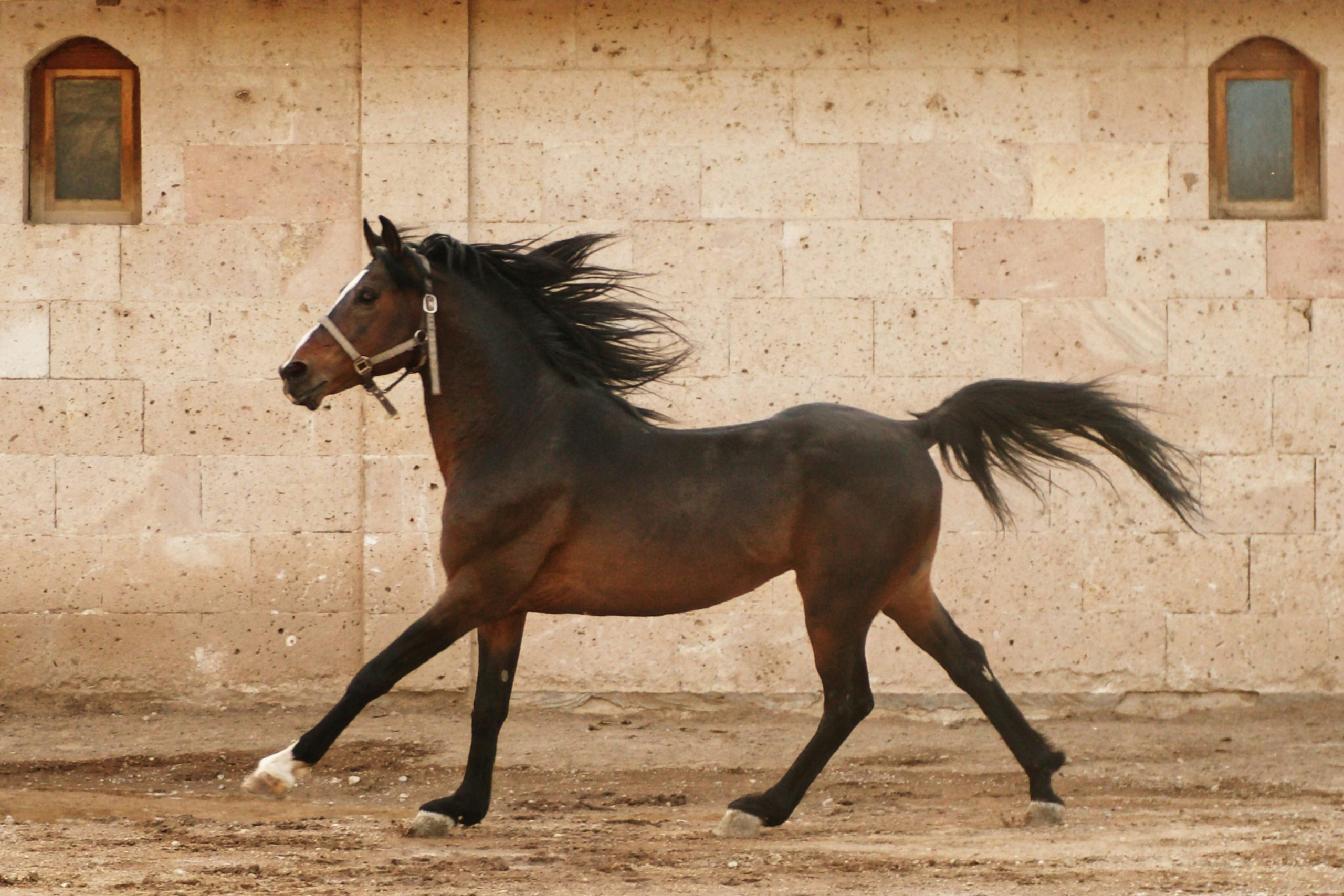
When someone confidently recommends a horse for the Grand National, it’s tempting to take their word for it.
Maybe a friend sends you a screenshot with a horse’s name and promising odds. Perhaps everyone in a group chat seems convinced that one particular runner is going to win.
But confidence isn’t the same as evidence.
As an introvert, you may already be comfortable observing, gathering information, and thinking things through before making a decision. Those habits can be useful when following horse racing, especially when there’s a lot of excitement surrounding a major event like the Grand National.
Rather than getting caught up in someone else’s enthusiasm, you can take a quieter, more analytical approach.
The racecard is a useful place to start.
Someone checking bizbet bonus information might have promotional terms open in another tab, but those details don’t tell you whether a horse has the stamina, jumping ability, or previous form to perform well at Aintree.
Understanding what the racecard reveals can help you distinguish an informed opinion from an enthusiastic guess.
Look Beyond the First Impression
Introverts are often described as thoughtful observers. While not every introvert is naturally analytical, many prefer having time to examine the details before reaching a conclusion.
That approach can be particularly useful when looking at previous race results.
A row of finishing positions might seem straightforward. A horse that finished fourth in its previous race could look more promising than one that finished eighth.
But those numbers don’t tell the whole story.
The fourth-place finisher might have been a long way behind the leaders in a relatively weak field. Meanwhile, the horse that finished eighth may have competed against stronger opposition or encountered difficulties during the race.
Distance, ground conditions, jumping mistakes, and race comments all provide valuable context.
Did the horse finish strongly? Did it struggle toward the end? Was its jumping inconsistent? Did an early mistake affect the result?
These details matter more than a single finishing position.
It’s a reminder that applies well beyond horse racing: the most obvious information isn’t always the most useful.
Understand What Weight Really Means
The Grand National is a handicap race, meaning horses carry allocated weights intended to account for differences in ability.
According to race information published by The Jockey Club, each runner’s assigned weight forms part of the official race details.
A horse carrying less weight might initially seem to have an advantage. However, choosing a runner simply because it carries the lightest weight overlooks the purpose of handicapping.
Similarly, a horse carrying more weight shouldn’t automatically be dismissed.
Weight becomes more meaningful when considered alongside previous performances, ratings, and the quality of the competition.
Instead of focusing on one impressive-looking number, examine how the different pieces of information fit together.
| Racecard detail | What to look for |
| Recent finishing position | Distance beaten and race comments |
| Weight carried | Rating and quality of previous opposition |
| Previous long-distance runs | Whether the horse finished strongly |
| Ground conditions | Performances on similar ground |
| Aintree experience | What happened during previous appearances |
None of these details can predict the winner with certainty. But together, they provide a more complete picture than a tip shared without explanation.
Don’t Let Group Excitement Replace Independent Thinking
One advantage of being comfortable with independent thought is that you don’t necessarily need everyone else to agree with your conclusions.
That’s useful when following a high-profile race.
During the Grand National, opinions can spread quickly through social media, group chats, and racing communities. A confident recommendation may be repeated so often that it starts to sound like established fact.
But popularity doesn’t make a selection more reliable.
If someone recommends a horse, ask what supports their opinion.
Has the horse performed well over longer distances? Does it have experience with demanding fences? Has it shown promising form under similar ground conditions?
A useful racing tip should give you something specific to investigate.
You might ultimately agree with the recommendation. You might also decide that the evidence isn’t particularly convincing.
Either conclusion is reasonable.
The important thing is separating your own assessment from the confidence of the people around you.
Pay Attention to Changing Conditions
Another reason to avoid relying entirely on screenshots is that racing information can change.
A saved image reflects the information available when it was captured. By race day, the list of runners, jockey bookings, or ground conditions may be different.
The British Horseracing Authority’s racecard information includes details such as the going and non-runners, which can affect how earlier form is interpreted.
A horse that performed particularly well on soft ground, for example, may face different conditions on race day.
Even when the conditions appear favorable, previous success doesn’t guarantee another strong performance.
Before making any decisions, check that you’re looking at the correct race and year, that the horse remains an intended runner, and that the latest information supports the original reasoning.
It’s a relatively simple process, but it can prevent decisions based on outdated information.
A Shortlist Is a Starting Point, Not a Prediction
If you enjoy researching a subject in depth, you might find the process of comparing runners more interesting than the excitement surrounding the race itself.
That’s perfectly fine.
You can create a shortlist based on previous performances, distance records, jumping ability, and ground preferences.
The important thing is to record why each horse caught your attention.
“Finished strongly over a long distance” gives you something concrete to investigate.
“Everyone says this horse will win” doesn’t.
Someone accessing an account through bizbet giris may also have the racecard open in another tab. These serve different purposes. The account page provides access to the platform, while the racecard contains information about the runners.
If the evidence doesn’t support a particular selection, removing it from your shortlist is a perfectly reasonable decision.
And remember that research doesn’t eliminate the uncertainty involved in horse racing. A carefully considered selection can still lose.
If you choose to place a wager, establish an affordable spending limit in advance and understand the applicable terms. You can also enjoy studying the race without betting at all.
What You Can Learn From Watching the Replay
For someone who enjoys observing patterns and understanding why things happen, the race itself is only part of the experience.
Watching a replay afterward can reveal details that the final result doesn’t capture.
A horse that failed to finish might have made a significant jumping mistake. Another may have encountered interference, while a third simply lacked the stamina to maintain its position.
Those are different circumstances, even if the final results initially appear similar.
This is where notes made before the race can become useful.
Compare your original expectations with what actually happened. Were your observations supported by the performance? Did you overlook something important? Were you relying too heavily on someone else’s confidence?
The goal isn’t to convince yourself that you can predict future races with certainty.
It’s to become more thoughtful about how you interpret information.
The Value of Taking Your Time
The Grand National attracts enormous attention, and much of the conversation naturally focuses on favorites, odds, predictions, and last-minute tips.
But you don’t have to match that energy to enjoy the event.
If you’re an introvert who prefers watching, researching, and making up your own mind, the racecard gives you an opportunity to engage with the race on your own terms.
You can explore previous performances, compare conditions, and question recommendations without feeling pressured to join the crowd.
Ultimately, a racecard can’t tell you which horse will win. Too many unpredictable factors are involved.
What it can do is help you understand the reasoning behind a selection and recognize when a confident tip is missing important context.
Sometimes the most useful response to a persuasive recommendation isn’t immediate agreement.
It’s taking a little time to look more closely.