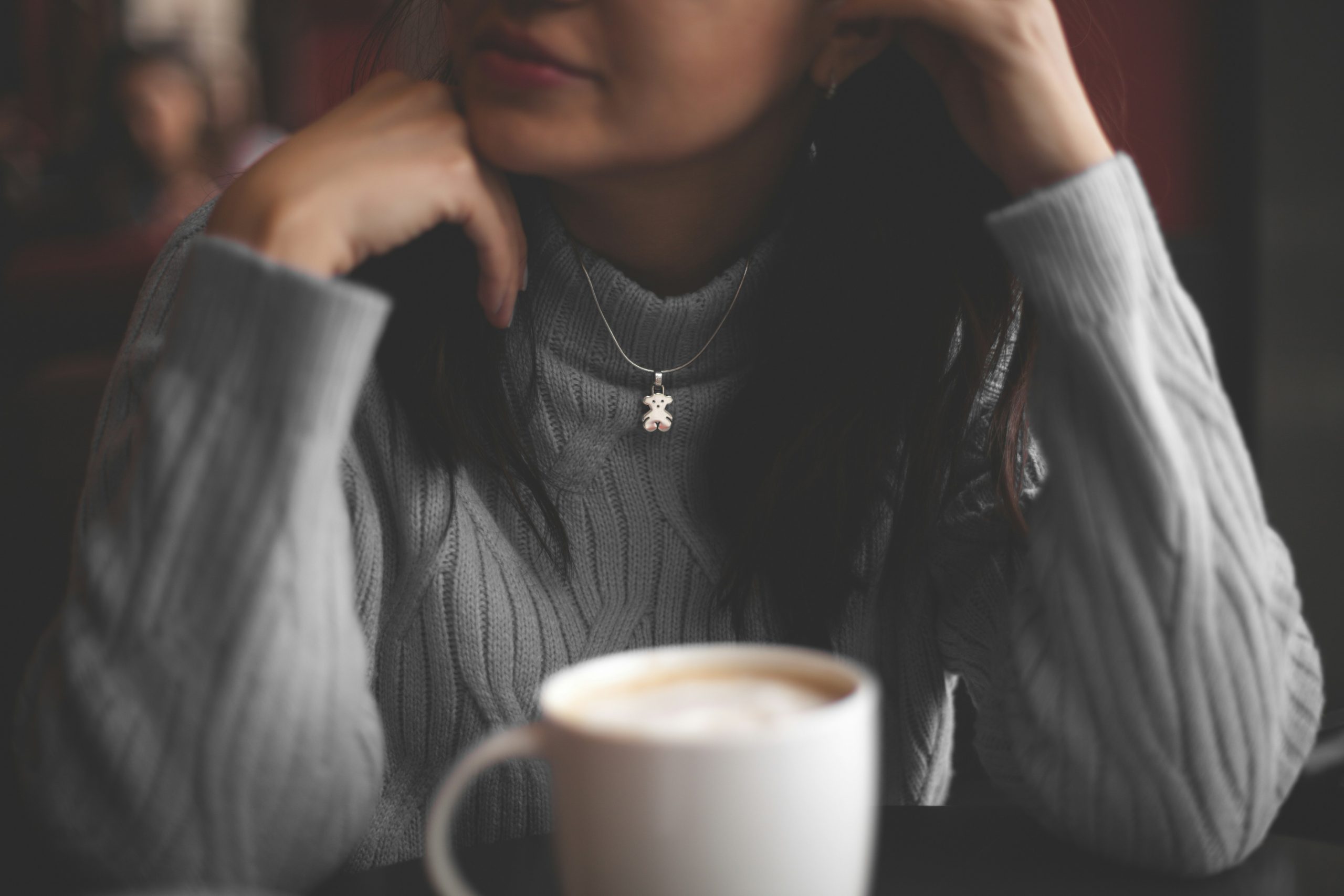
First dates come with enough to think about already: where to sit, what to order, how to keep a conversation moving without it feeling like an interview. For introverts, the mental load can be even heavier, since so much energy goes into managing the social side of the evening that outfit decisions can start to feel like one more draining task. Jewelry, though, doesn’t have to be part of that stress. Chosen well, it can actually work in your favor, giving you something grounding to wear without demanding constant attention or adjustment.
The goal of this guide is to simplify jewelry choices, so they support your comfort rather than compete with it. Instead of chasing trends or trying to make a bold statement, the focus here is on pieces that feel like an extension of who you already are. That approach tends to serve introverts particularly well, because clothing and accessories that feel authentic reduce the self-consciousness that often creeps in during unfamiliar social situations.
Choosing Pieces That Match Your Natural Style
The simplest way to avoid overthinking jewelry for a first date is to skip anything unfamiliar. If you don’t normally wear rings, a first date is not the moment to test one out, since an unfamiliar object on your hand can become a distraction you keep noticing throughout the evening. Sticking with jewelry types you already wear regularly, whether that’s a single necklace, small studs, or a favorite bracelet, keeps your attention on the conversation instead of on your accessories.
Color and material matter here too, though not in a complicated way. A good rule is to pick something that echoes tones already present in your everyday wardrobe rather than introducing a jarring new palette. Someone who tends toward muted, earthy colors might feel more like themselves in warm gold tones or soft stones, while someone who leans toward cooler, deeper shades might find that something like purple gemstone earrings fits naturally into their existing style without feeling like a costume choice for the occasion.
Texture and weight are the quieter details that make a real difference. Lightweight pieces that sit close to the body are far less likely to catch on clothing, hair, or a scarf than long, dangling designs. For someone already managing nerves, a piece of jewelry that stays put and doesn’t require repositioning is a small but genuine relief. This is less about aesthetics and more about removing one more variable from an evening that already has plenty of unknowns.
Why Simplicity Often Beats Statement Pieces
Statement jewelry, the kind meant to draw the eye and spark comments, works well for people who enjoy being asked about their outfit. For many introverts, though, that kind of attention can feel like pressure rather than a compliment. A large cocktail ring or an oversized pendant might prompt a date to ask questions you didn’t plan to answer, shifting the conversation toward small talk about accessories instead of the deeper topics you’d rather explore.
Simpler jewelry lets you control the narrative of the evening more comfortably. A thin chain, a single pair of earrings, or a subtle bracelet still communicates that you made an effort, but it doesn’t invite the same level of scrutiny or conversation-starting questions. This matters because introverts often prefer to reveal personality gradually through conversation rather than have it announced upfront by an accessory.
There’s also a practical side to simplicity that’s easy to overlook. Minimal pieces are less likely to interfere with movement, whether that’s leaning across a table, adjusting a jacket, or reaching for a drink. Fewer moving parts mean fewer small interruptions, and fewer interruptions mean you can stay present in the moment instead of managing your jewelry throughout dinner or a walk.
Matching Jewelry to the Setting of the Date
The setting of a first date changes what actually works well, and this is where a little planning pays off. A coffee shop meeting calls for something low-key since the whole point is a relaxed, low-pressure environment. Small studs or a delicate chain suit this setting because they don’t compete with the casual atmosphere or make the moment feel more formal than it is.
Dinner dates allow for slightly more presence without tipping into excess. A pair of earrings with a bit of color or shine can complement a nicer outfit, especially under the kind of soft lighting typical of most restaurants. This is where a single, more considered piece, like a distinctive pair of earrings, can add polish without requiring you to layer on multiple accessories that might feel unfamiliar all at once.
Outdoor dates, such as a walk in a park or a visit to a museum, favor jewelry that can handle movement and occasional weather. Anything prone to tangling, like long necklaces, or anything delicate enough to worry about damaging, adds unnecessary mental overhead. Sturdier, closer-fitting pieces hold up better and require zero maintenance thought once you’ve left the house.
Building Confidence Through Familiar Choices
Confidence on a first date rarely comes from wearing something new and impressive. It tends to come from feeling like yourself, and jewelry you’ve worn before, that you know sits well and looks right on you, reinforces that feeling more reliably than anything purchased specifically for the occasion. Familiarity removes a layer of uncertainty that introverts, who often already feel slightly on edge in new social settings, don’t need added to their plate.
This doesn’t mean jewelry has to be boring or overly plain. A well-chosen piece that reflects genuine taste, whether that’s a specific gemstone color you’re drawn to or a design style you consistently gravitate toward, can still feel special without feeling foreign. The distinction is between wearing something because it represents you accurately and wearing something because you think it’s expected for a date.
Preparation ahead of time also helps more than people realize. Deciding on jewelry the night before, rather than scrambling five minutes before leaving, prevents last-minute second-guessing that can spiral into unnecessary anxiety. Laying out an outfit with its accessories in advance turns a potentially stressful decision into something settled well before the date even begins, leaving more mental space for the actual conversation ahead.
Letting Personal Style Lead the Evening
A first date should feel like an introduction to who you genuinely are, and jewelry that reflects your actual taste rather than a performance of what you think a date requires makes that introduction easier. For introverts, comfort and familiarity aren’t just preferences, they’re tools that free up mental energy for the parts of the evening that matter more: listening, responding, and being present. Choosing jewelry with that in mind turns a small decision into one less thing to worry about, which is exactly the point.
Related Posts
 Handling Collaborative Work as an Introvert – Dos and Don’ts
 INFJ: 6 brilliant answers to “Why are you so quiet”?
 How An Introvert Overcame The Fall Blues
 Finding Our Place in an Extrovert’s World
 How Introverts Can Rebuild Their Lives After a Difficult Personal Period
 Why Men Pull Away From Introverted Women