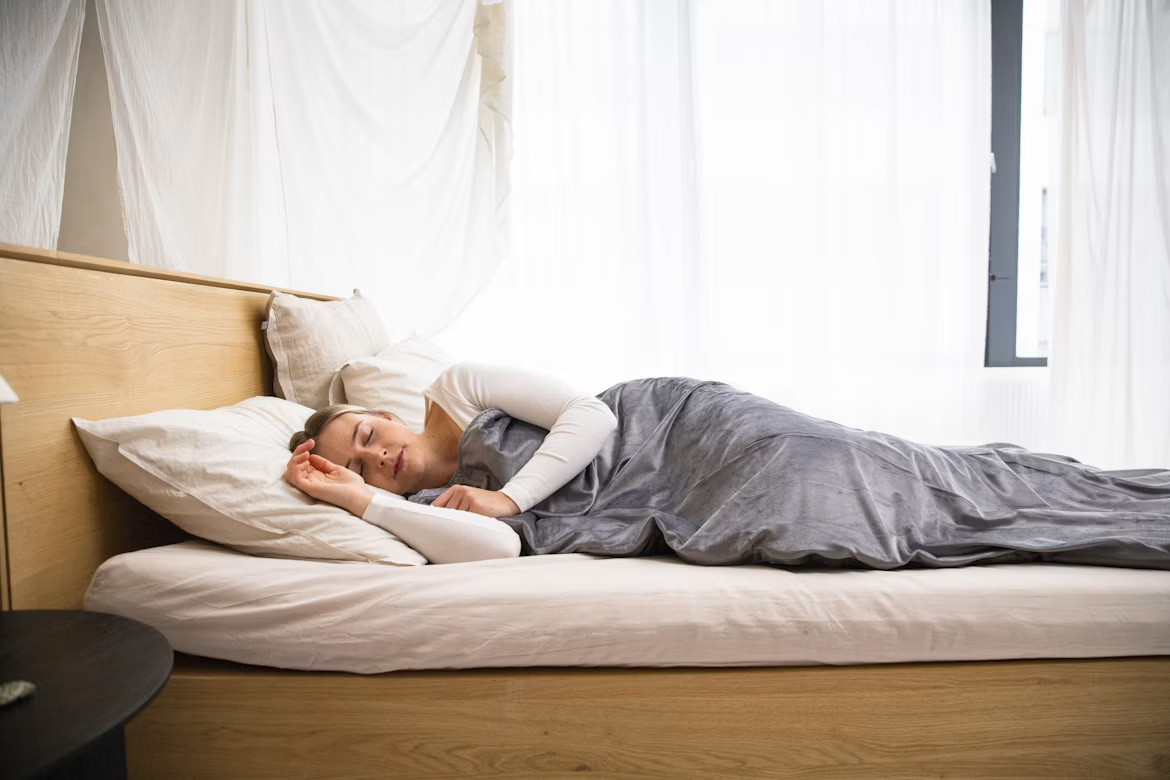
After hours spent navigating crowded offices, group messages, and social small talk, an introvert’s internal battery runs low. Stepping back into your house feels like reaching safe ground, but falling asleep can remain difficult when thoughts keep spinning. Turning your bedroom into a soothing hideaway helps quiet mental static and calm sensory overstimulation. With a few deliberate layout shifts, you can build a restorative shelter where deep slumber comes without effort.
Dial in Your Bed Temperature for Deeper Rest
Restless nights frequently start with trapped body warmth that disrupts natural recovery cycles. Slipping a breathable cooling mattress topper over your existing bed prevents heat retention across your spine, letting your body drift into unbroken rest. Waking up in a pool of sweat only amplifies physical stress after an already demanding day. A gentle buffer between your skin and a dense mattress allows airflow to keep your skin refreshed until morning.
You do not have to replace an entire bed set to fix poor temperature regulation. Spending around $150 on an adaptable top layer delivers plush cushioning without sinking into stifling foam. Pairing that breathable layer with lightweight bamboo or crisp percale sheets builds an inviting nest that welcomes quiet downtime.
Physical comfort signals to your brain that the social demands of the day have ended. When your sleep surface cradles your joints at an even temperature, physical tension melts away fast. That physical release makes falling asleep feel natural rather than like an uphill struggle.
Layer Tactile Textures to Ground Your Senses
Introverts react strongly to touch and sensory weight after processing loud environments all afternoon. A design feature by Euphoria Interiors suggests pairing washed bedding with a matte timber frame, a tactile floor rug, and a lampshade that diffuses harsh light. The contrast between smooth linens and textured surfaces prevents a muted color scheme from appearing flat or uninviting. Layering those tactile elements creates a warm cocoon where you can read and decompress peacefully.
Selecting Sensory-Friendly Fabrics
Stick to neutral, earthy tones like sage, soft taupe, and slate gray to keep sensory stimulation low. Loud patterns and bright accents demand mental attention that your tired brain cannot afford before lights out. Simple, grounded textures work best to quiet a busy mind:
- Stonewashed linen duvets that soften with every laundry cycle
- Chunky knit throw blankets that provide a grounded feeling across your legs
- Thick wool rugs that cushion bare feet against chilly floorboards
Heavier fabrics act like a gentle embrace, grounding your body after prolonged social interactions. Wrapping yourself in tangible layers sends a clear signal to your nervous system that outside demands are locked away. You can sink into the quiet comfort and let your thoughts slow down naturally.
Clear Visual Noise to Lower Stress Hormones
Visual clutter constantly clamors for attention, making genuine relaxation almost impossible for deep thinkers. A lifestyle guide from The Happy Wallflower highlighted that clutter can dramatically raise cortisol levels, stripping away the calm a quiet retreat is meant to offer. Piles of clothes on an accent chair or stacks of unsorted mail remind you of unfinished business right when you need to shut off your thoughts. Clearing open flat surfaces creates literal breathing room for an overstimulated mind.
Keep only 2 or 3 comforting objects on your bedside table – like a water carafe, a favorite paperback, and a small ceramic dish for jewelry. Tucking charging cables, spare remotes, and receipts inside closed drawers eliminates subconscious visual checks before you shut your eyes. An uncluttered room lets your attention rest in peace without snagging on everyday chores.
Free Up Floor Space with Vertical Storage
Floor space dictates how peaceful a bedroom feels when you step through the doorway after an intense day. An interior guide from Sleep World points out that building upward with floating shelves or wall units keeps your floor open and keeps favorite bedside items right within arm’s reach. Moving books, small plants, and lamps off the carpet eliminates that cramped, boxed-in sensation that triggers anxiety. A clean floor perimeter makes even small bedrooms feel like open, tranquil sanctuaries.
Wall-mounted sconces save valuable nightstand surface area for your nighttime journal and a warm cup of herbal tea. Floating wooden ledges above a dresser let you display treasured keepsakes without crowding flat surfaces. Lifting storage off the floor keeps pathways wide and unobstructed, helping you move around with ease in low light.
Switch to Warm, Low-Kelvin Ambient Lighting
Harsh overhead lighting can jolt an already sensitive nervous system into high alert. Swapping bright white bulbs for warm amber lights running at 2200K to 2700K mimics sunset, nudging your circadian rhythm toward natural sleepiness. Soft, indirect illumination helps your eyes relax after staring at screens or fluorescent office fixtures.
Use small accent lamps placed at varying heights around the room rather than flicking on a central ceiling light. A low-wattage reading lamp by the bed or small paper globes on a bookshelf cast comforting pools of golden light. These subtle glows soften the room edges and signal your brain that social time is finished.
Carve Out a Dedicated Screen-Free Corner
Introverts need time to process their internal experiences in complete solitude before climbing under the covers. Reserving a quiet nook separate from your sleeping space protects your bed for restorative sleep alone. Sitting in a dedicated armchair for 20 minutes with a notebook or physical book allows racing thoughts to settle.
Equipping Your Solo Recharge Station
You do not need a massive layout to assemble a comforting solo corner. A single cozy chair tucked near a window with a warm throw blanket works wonders. A few purposeful elements complete this screen-free haven:
- A comfortable reading chair with thick back support for long reading sessions
- A compact wooden side table to hold a cup of chamomile tea
- A small cloth basket for paperbacks, sketchbooks, and mindful journals
Leaving your phone charging on the opposite side of the room stops doomscrolling before it begins. Unplugging from group texts and social feeds safeguards your mental boundaries. Spending the final hour of your evening in low-tech peace sets the stage for unbroken sleep.
Buffer Outside Sounds with Soft Acoustic Layers
Sudden external noises – like barking neighborhood dogs or passing traffic – jar an introvert’s receptive auditory senses. Hanging heavyweight thermal curtains creates a dense barrier that muffles high-frequency street noise. Thick velvet or linen drapes trap sound waves before they bounce around the room.
Adding draft stoppers at the base of your bedroom door blocks sounds traveling through interior hallways. A simple white noise machine humming softly at 45 decibels masks unpredictable disruptions with a continuous soothing tone. You wake up far less during the night when sudden spikes in sound cannot break your deep sleep cycle.
Creating a deeply restorative bedroom gives introverts the daily sanctuary required to recharge their mental energy. Small upgrades to bedding, lighting, and layout turn an ordinary room into a protective retreat. When your space honors your need for sensory calm, drifting into deep, restful sleep becomes effortless night after night.
Related Posts
 Why Moving Doesn’t Have to Be Draining: A Gentle Approach for Introverts
 Dating Tips for Introverts Who Put Up Walls
 Common Struggles Of Introverts Studying At University
 Why Online Dating is Tailor-Made for the Introvert
 Introvert in College: Tips to Conquer Writer’s Block
 How Introverts Can Evaluate Grand National Tips Without Following the Crowd