Quiet power is the kind of strength that doesn’t need to announce itself. It shows up in how we move through the day, how grounded we feel in our own skin, and how comfortable we are with our choices. What we wear—especially the small details—can play a role in that feeling. Jewelry, in particular, often carries personal meaning that goes far beyond how it looks. A familiar ring, a pair of earrings you always reach for, or a necklace worn close to the heart can quietly shape how we feel.
Choosing jewelry and accessories that feel good on the body—especially for sensitive ears or skin—can be part of that calm, intentional approach. Some people naturally gravitate toward pieces that are gentle, hypoallergenic, and easy to wear every day, which is why options like those you find when you shop Cords Club often appeal to people looking for comfort as much as style. When jewelry doesn’t irritate or distract, it leaves more room for ease and emotional balance.
What “Quiet Power” Really Means in Personal Style
Quiet power in style isn’t about standing out in a crowd. It’s about feeling steady and self-assured, even when no one else is paying attention. This kind of power comes from knowing what works for you and choosing it without second-guessing.
In personal style, quiet power often shows up through simple, thoughtful choices. Jewelry that feels natural to wear—rather than attention-grabbing—can reinforce a sense of calm confidence that stays with you throughout the day.
The Emotional Side of Jewelry We Don’t Always Talk About
Jewelry is often discussed in terms of trends or appearance, but there’s an emotional layer that’s easy to overlook. Many people form attachments to certain pieces because of how those pieces make them feel, not just how they look. The weight, texture, or even temperature of jewelry against the skin can be grounding.
This emotional connection can make jewelry feel like more than an accessory. It becomes a quiet support, something familiar that helps anchor you when the day feels unpredictable.
Jewelry as a Personal Ritual
Putting on jewelry can be a small ritual that marks the start of your day. It’s a moment to pause, choose intentionally, and prepare yourself mentally for what’s ahead.
Over time, this ritual can carry emotional meaning. A specific piece might become associated with focus, calm, or comfort, simply because you’ve worn it during moments when you needed those feelings most.
Why Materials Matter More Than Trends
Comfort is often underestimated in fashion, but it plays a major role in emotional well-being. When jewelry pinches, irritates, or feels heavy, it can become a constant distraction. Over time, those small discomforts can affect mood and concentration.
Choosing materials that work well with your body can remove that friction. Hypoallergenic metals and lightweight designs allow jewelry to feel like a natural extension of you, rather than something you’re constantly adjusting or thinking about.
When Jewelry Feels Good, It Supports Your Mood
Physical comfort often leads to mental ease. When you’re not worried about irritation or soreness, your attention can stay on what matters most.
That sense of ease can quietly boost confidence. Jewelry that feels good encourages a relaxed posture and a calmer presence, which others often pick up on—even if they can’t explain why.
Ear Jewelry and Emotional Awareness
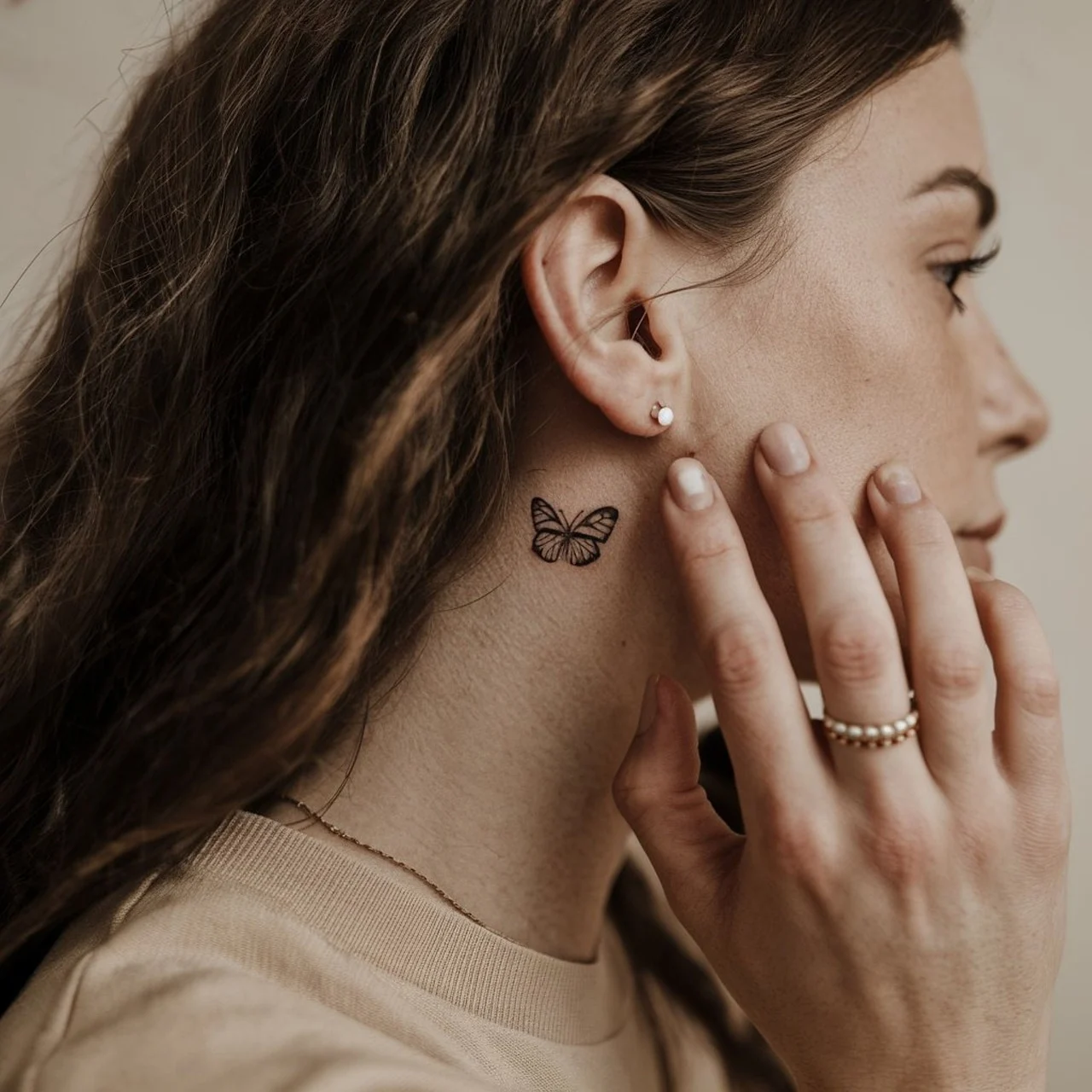
Ear jewelry is unique because it sits in a place we’re especially sensitive to. The ears are close to the face and constantly in use, which means discomfort there can quickly become overwhelming. That’s why thoughtful design matters so much for earrings.
Lightweight, well-balanced pieces can make a noticeable difference. When ear jewelry feels barely there, it allows you to enjoy wearing it without tension, helping you stay more present and at ease throughout the day.
Jewelry as a Quiet Form of Self-Expression
Not all self-expression needs to be bold. Sometimes it’s the subtle choices that say the most about who we are. Jewelry can reflect values like simplicity, mindfulness, or a preference for comfort over excess.
These quiet expressions often feel more authentic. Wearing pieces that align with your inner state can reinforce a sense of integrity—your outer appearance matching how you feel inside.
Thoughtful Accessories in Everyday Life
Thoughtful accessories aren’t reserved for special occasions. Many people find that wearing meaningful jewelry during ordinary moments makes those moments feel more grounded. Whether you’re working, resting, or moving through daily routines, the right pieces can provide a sense of continuity.
Rather than dressing up for others, this approach focuses on dressing for yourself. Accessories become supportive companions, not performances meant to impress.
Choosing Jewelry With Intention, Not Pressure
Modern fashion often comes with pressure—to keep up, to buy more, to follow trends. Choosing jewelry with intention means stepping away from that cycle and listening to your own preferences instead. It’s about noticing what feels good and letting that guide your decisions.
This mindset can be freeing. Fewer, more meaningful pieces often bring more satisfaction than a drawer full of items you rarely wear.
Easy Guidelines for Intentional Choice
- Notice how your body reacts.
Pay attention to whether a piece feels comfortable after a few hours. Jewelry that truly works for you won’t demand constant awareness. - Think about how you feel while wearing it.
Does it make you feel calm, grounded, or quietly confident? Emotional responses are just as important as appearance. - Choose longevity over impulse.
Pieces you can wear often and comfortably tend to become the most meaningful over time.
A Quiet Kind of Confidence You Can Feel
At its best, jewelry doesn’t compete for attention—it supports you quietly in the background. Thoughtful accessories can become part of how you care for yourself, offering comfort, familiarity, and subtle reassurance. Over time, these small choices add up, shaping a sense of confidence that feels steady rather than performative. Quiet power isn’t about being seen; it’s about feeling at ease with who you are, and letting that calm confidence speak for itself.
Related Posts
 The Art Of The Introvert Retreat
 How to Introduce Yourself Confidently in a Meeting (Introvert Tips)
 Introvert Slow Living Starts at Home: Choosing Fewer, Better Things
 8 Innovations in Fatigue Research Introverts May Find Interesting
 Top 3 Ways to Optimize Your Introvert Energy
 Why Environmental Monitoring Can Be a Great Fit for Detail-Oriented Introverts